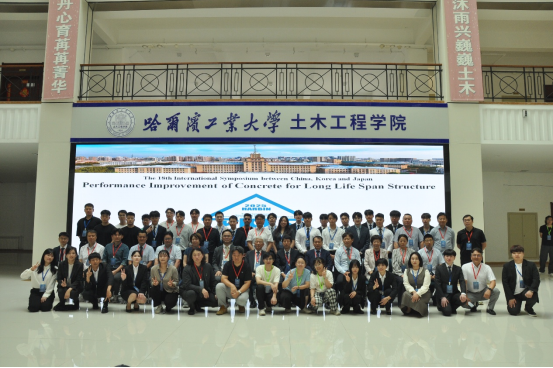
Recently, the 18th International Symposium among China, Korea and Japan on Performance Improvement of Concrete for Long-Life Structures was successfully held in Harbin, hosted by the School of Civil Engineering, Harbin Institute of Technology. More than 90 experts, scholars, and students from universities and research institutes in China, the South Korea, and Japan gathered to discuss the latest research findings and emerging trends in concrete durability and long-life infrastructure engineering.
The opening ceremony took place at the School of Civil Engineering, Harbin Institute of Technology, and was chaired by Professor Yang Yingzi. In their remarks, Professor Zhou Wei, Vice Dean of the School of Civil Engineering, and Professor Gao Xiaojian, Head of the Materials Research Group, extended a warm welcome to participants from institutions including Cheongju University (Republic of Korea), the Korea Institute of Civil Engineering and Building Technology (KICT), Korea National University of Transportation, Muroran Institute of Technology (Japan), University of the Ryukyus, Osaka University, and Hokkaido University, among others. They also expressed their best wishes for the successful convening of the symposium.
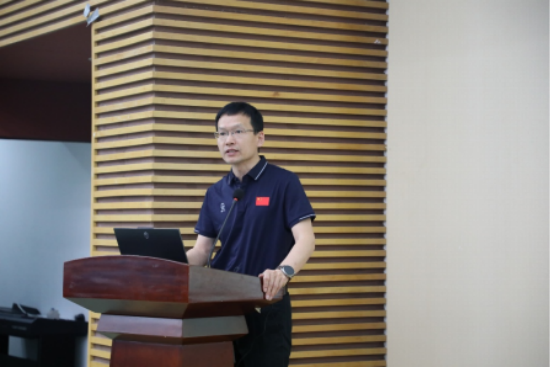
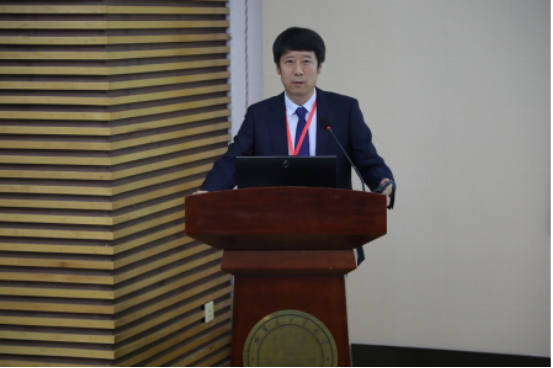
During the keynote session, Associate Professor YOSHIDA Natsuki of Osaka University delivered an invited presentation titled “Sulfate Attack and Sulfuric Acid Attack on Concrete in Japan,” highlighting Japan’s recent advances in research on concrete resistance to sulfate attack and sulfuric acid corrosion. Dr. HAN Jun-hui of Cheongju University followed with a report titled “Development of a Crack-Reduction Method for Building Foundation,” sharing the latest achievements in methods for reducing cracking in building foundations. Both presentations were rich in content and novel in perspective, sparking lively discussions among attendees.
In the subsequent technical sessions, 21 experts, scholars, and students from the three countries presented their research on enhancing the durability of concrete engineering, covering a range of cutting-edge topics such as the development of new materials, optimization of structural performance, and improvements in construction techniques. Participants engaged in in-depth exchanges on new results, materials, technologies, and future directions, showcasing the latest progress in the field of long-life concrete.
The successful symposium not only further strengthened academic exchange and collaboration among China, the South Korea, and Japan in the areas of concrete durability and long-life infrastructure development, but also provided an effective platform for promoting the transformation and application of research outcomes and for supporting the growth of young scholars. Looking ahead, researchers from the three countries will continue to collaborate on enhancing infrastructure durability and contribute to sustainable development.